ServicesRoof Repair
Roof Repair in The Village That Starts at the Source
A leak or a few missing shingles rarely means you need a whole new roof. We find where water is actually getting in, repair that spot properly, and give you a straight answer if the roof is past the point where repair makes sense.
When a repair is the right answer
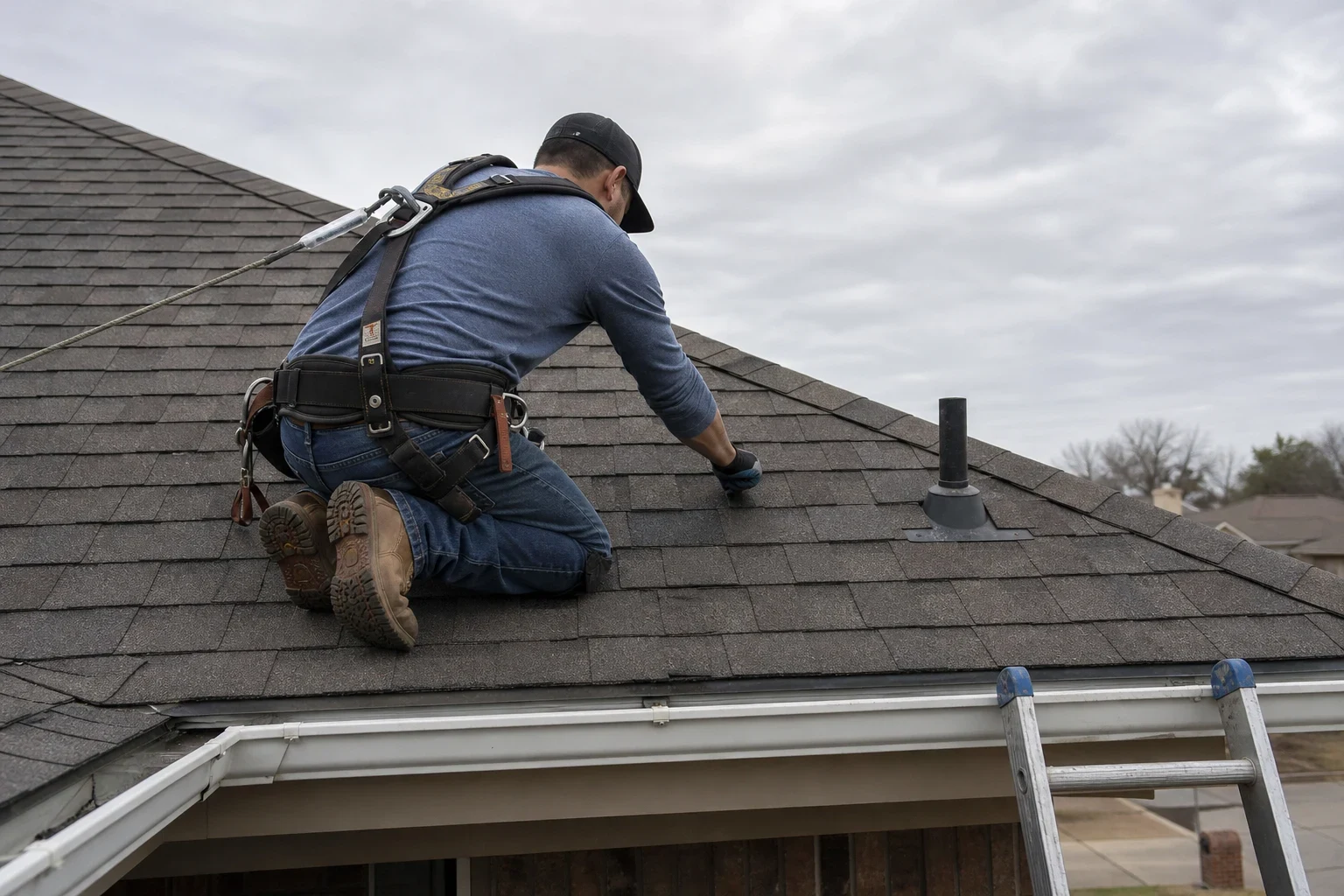
A leaking roof rarely has to be torn off. One lifted shingle, a split pipe boot or flashing that has worked loose from a chimney can let water in for months, and every one of those has its own fix. We track down where the water really enters, repair that spot properly and leave the sound parts of the roof as they are.
There are times when that isn't the honest answer. When shingles have turned brittle on every slope, or the decking is soft in more than one spot, a patch in one place only sends the leak to another. In that case we show you the reasons and walk you through what Roof Replacement would mean, so you can think it over with no one leaning on you.
What our roof repair work covers
- Tracking the leak from the attic
- When we can, we begin indoors, following stains and wet insulation back along the rafters, and then line that up with what we find outside. Water tends to travel a few feet across the decking before it drips, so the ceiling spot is seldom directly below the opening.
- Replacement shingles matched with care
- Shingles that wind has lifted, creased or torn off are replaced and sealed flat. We bring the nearest match available and let you know ahead of time if your older color has been discontinued.
- Flashing and vent boots
- The leaks we see most start at step flashing along walls, counterflashing on chimneys and the rubber boots that seal plumbing vents. Years of hot sun crack those boots, so we put on new ones rather than covering the split with caulk.
- Valleys and wall joints
- No part of a roof handles more water than its valleys, and debris left there grinds the shingles thin. We open up and reseal worn valleys, along with the seams where the roof meets a wall or dormer.
- Rebuilding soft decking
- When the plywood beneath a damaged spot is rotted or spongy, we cut back to sound wood, lay new decking and underlayment, and shingle on top. You get photos of the area while it's still open.
Signs your roof needs a repair
A brown ring on the ceiling
Even a small stain that only grows after heavy rain means water is reaching the drywall. Catching it early usually keeps the repair small.
Shingles or tabs in the yard
After a strong wind, pieces on the lawn mean an opening somewhere above. Exposed nail lines and underlayment don't hold up long against the next storm.
Damp insulation or daylight in the attic
Take a flashlight up on a dry day. Light showing through, dark streaks on the wood or matted insulation all point to a spot worth looking at.
Curling or cracking in one area
When one slope or section ages faster than the rest, it's often a ventilation or drainage issue that a targeted repair can address.
Nail heads pushing through
Popped nails lift the shingle above them and break the seal. Each one is a small hole waiting for a heavy rain.
How a repair visit goes
- 1
A quick conversation by phone
You tell us what you're seeing and where. We'll ask a few questions about when it leaks and how old the roof is, then set a time to come out.
- 2
We look inside and on top
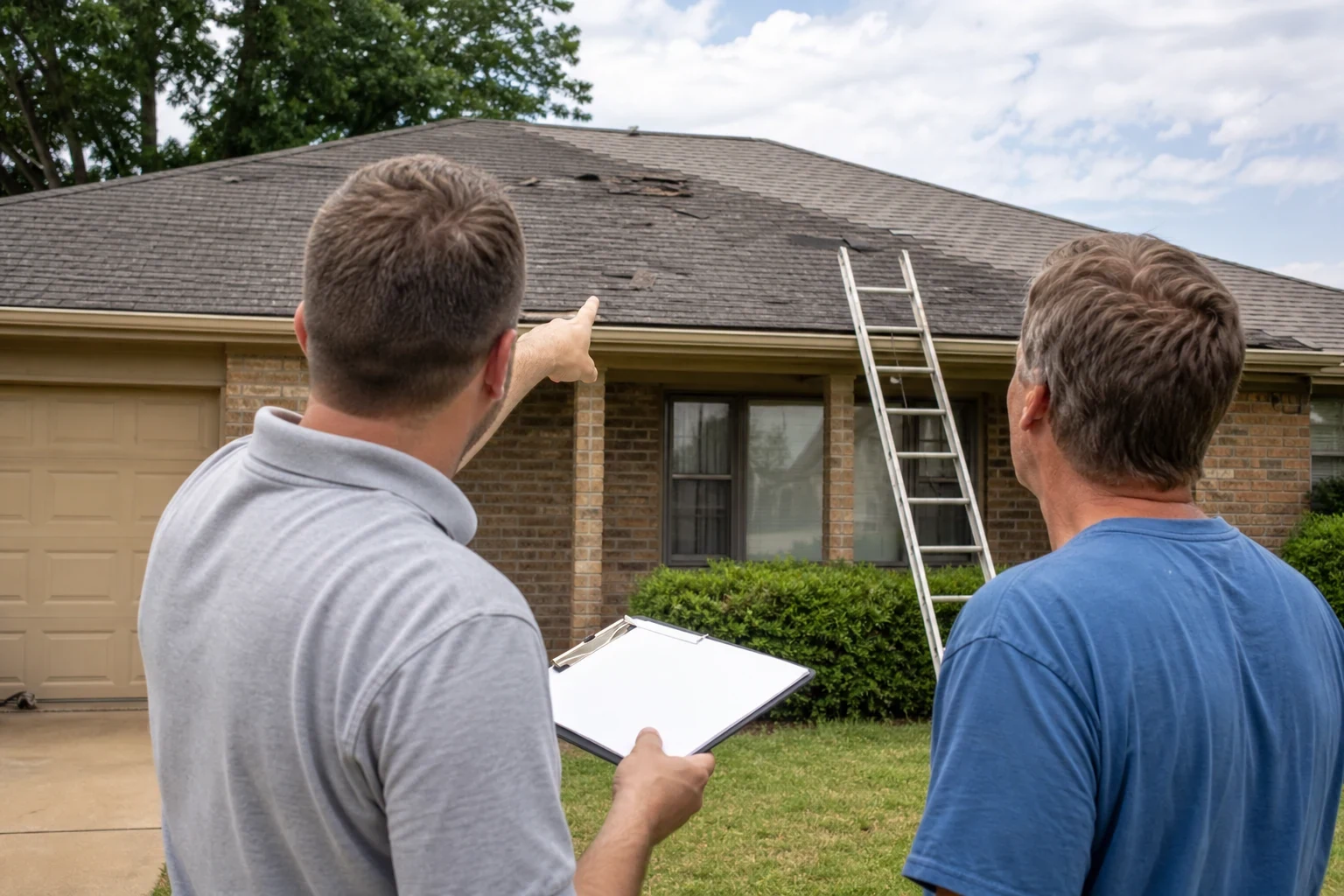
We check the attic first if it's accessible, then walk the roof and photograph every problem we find. You don't need to climb anything.
- 3
An honest repair-or-replace answer
We show you the photos, explain the cause in plain words and give you a written, line-item estimate for the repair. If a new roof is the better value, we explain why and you decide.
- 4
Repair day and cleanup
Most repairs are done in a single visit. We protect plantings below the work area, haul away old material and run a magnet across the yard and driveway for stray nails at the end of the day.
What affects the cost of a roof repair
Every repair is priced on what we actually find, and you'll see it written out line by line before any work starts. A single pipe boot and a section of soft decking are very different jobs, so we don't guess over the phone.
- What's under the shingles
- Surface damage is quicker to fix than wet underlayment or rotted decking. We won't know the full picture until we open the area, and we'll talk with you first if the scope needs to grow.
- Pitch, height and access
- A steep or two-story roof takes more safety setup and time than a low, walkable one.
- Materials and matching
- Standard shingles are simpler to source. Discontinued colors, specialty flashing or chimney work add to the cost.
- How many problem spots there are
- One leak point is a small job. Several spread across the roof may change the conversation toward replacement, and we'll talk that through with you honestly.
Common questions about roof repair
Something not covered here? (405) 849-7849
Can you fix just the part that's leaking?
Usually, yes. Most leaks come from a single failed part, like a vent boot, a flashing seam or a few shingles. We fix that part and check the surrounding area so the repair isn't right next to the next weak spot.
Will new shingles match the rest of my roof?
We get as close as possible. Even a same-color shingle looks a little brighter at first and evens out as it weathers. If your shingle line has been discontinued, we show you the nearest options before we start.
How do I decide between repair and replacement?
Age matters, but condition matters more. If shingles still flex, hold their granules and rest on solid decking, a repair is usually the better use of money. If they're brittle all over or new leaks keep appearing, we explain why a new roof is worth considering.
My damage came from hail or wind. Do I repair it or file a claim?
It depends. Oklahoma spring storms cause some damage worth a claim and some that isn't. Our Storm Damage Repair page explains how we document what we find, so you can make that call with your insurer.
Do I need to be home during the repair?
Not necessarily. We prefer to review what we found with you before starting, and if the leak shows indoors we'll need attic access. Once the plan is set, many homeowners let us work and check the photos afterward.
Let's find out what your roof really needs
Tell us what you're noticing and we'll come take a look. You'll get a clear explanation, photos and a written price for the repair, all up front.